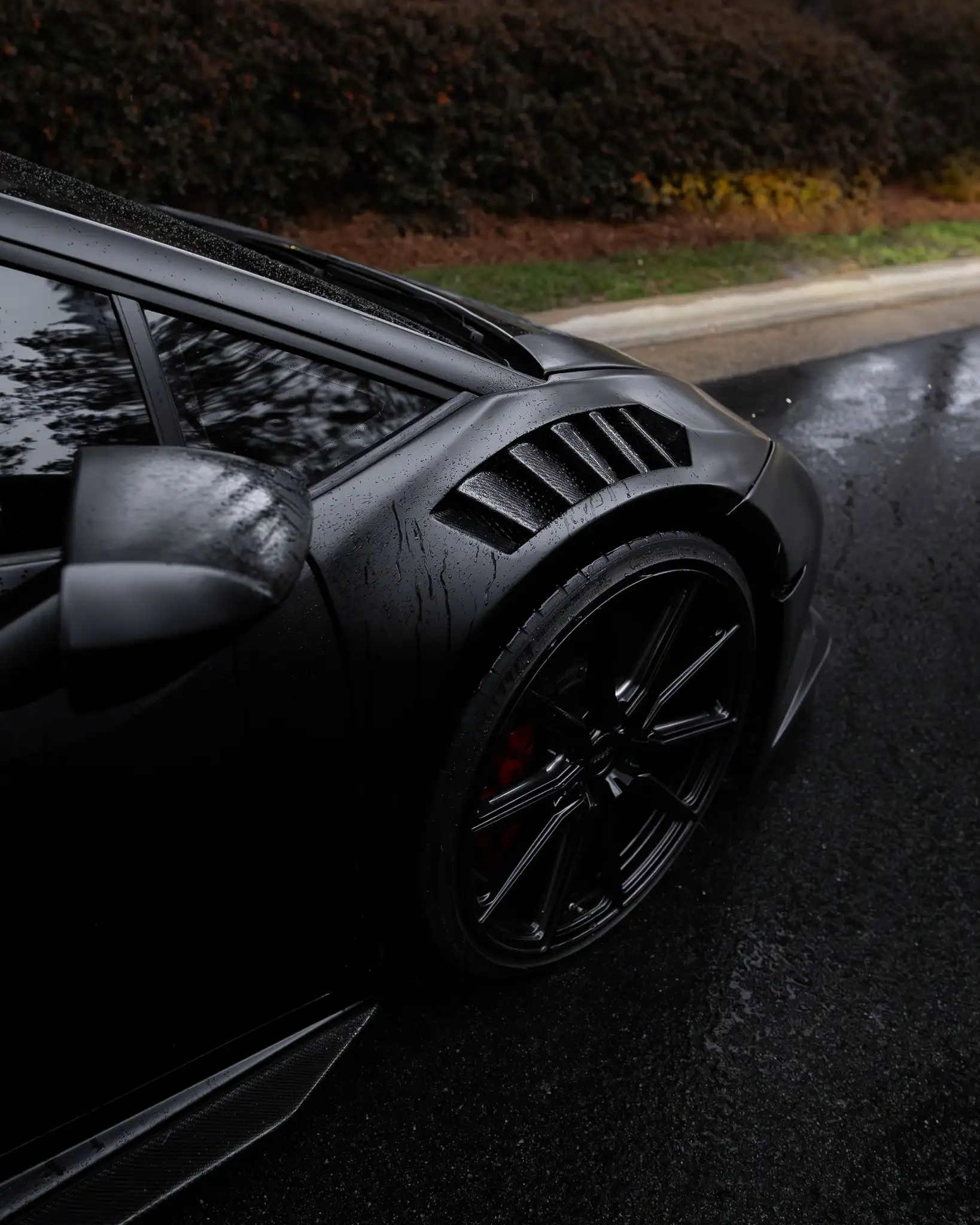
You just bought a new car. The paint looks perfect. Then a rock chips the hood on your first highway drive. It stings. Paint Protection Film exists to stop exactly that. But is it worth the investment? Let’s break it down honestly.
What Does PPF Actually Do?
PPF is a clear, tough film applied directly to your vehicle’s painted surfaces. Think of it as an invisible shield sitting between your paint and the road.
Rocks, gravel, road debris, and bug splatter hit the film instead of your paint. The film absorbs the impact. Your factory finish stays untouched underneath.
Modern PPF also has self-healing properties. Light scratches and swirl marks disappear on their own when the film warms up in the sun. That means your car keeps looking sharp with very little effort.
What Does PPF Cost?
PPF pricing depends on how much of the vehicle you want covered. A partial front-end install covers the hood, bumper, and mirrors. A full vehicle wrap in PPF covers every painted panel.
Partial coverage can start in the hundreds. Full coverage on a luxury or exotic vehicle can run several thousand dollars. The final number depends on the vehicle size, film quality, and complexity of the install.
That range sounds wide. But compare it to what you’re protecting. A single repaint on a hood or bumper can cost $500 to $1,500 or more. PPF pays for itself faster than most people expect.
Where PPF Earns Its Keep
Highway and Daily Driving
Highways are brutal on paint. Gravel flies. Sand blasts. Truck tires kick up debris constantly. PPF takes every hit so your paint surface stays clean and chip-free.
New and Luxury Vehicles
Factory paint on a new vehicle is an asset. Chips and scratches drop resale value fast. PPF preserves that paint in its original condition from day one.
For luxury and exotic vehicles, the math is even clearer. A single deep scratch on a specialty color can cost thousands to fix correctly. PPF is the smart protection play.
Leased Vehicles
Lease returns come with paint inspections. Chips, scratches, and damage mean fees. PPF keeps the surface clean so you hand the car back without surprises.
PPF vs. Other Protection Options
Some vehicle owners compare PPF to Ceramic Coating. Both protect paint. They work in different ways.
Ceramic coating adds a hard, hydrophobic layer over your paint. Water beads off. Contaminants wipe away easily. It makes the paint easier to clean and adds deep gloss.
PPF adds physical armor. It stops chips and impacts that ceramic coating cannot block. Many vehicle owners use both together. PPF handles the physical hits. Ceramic coating handles the shine and easy cleaning.
The Quality of the Film and Install Matters
PPF is only as good as the film used and the hands installing it. A poor install leaves edges lifting, bubbles forming, and gaps where damage can sneak in.
At King Tutt Graphics, we work directly with film manufacturers. They visit our 10,000 sq ft facility to align on quality standards, new products, and best practices. Certified experts. Manufacturer-trusted.
That relationship means we know exactly what the film can do. And we install it to the standard the manufacturer intended. Every panel. Every edge. Every time.
How Long Does PPF Last?
Quality PPF installed correctly can last 7 to 10 years or more. Most premium films come with a manufacturer warranty covering yellowing, cracking, and delamination.
Spread a 10-year lifespan across the initial cost. The annual value of keeping your paint protected becomes very clear. It stops being an expense and starts being a smart decision.
So, Is It Worth It?
If you drive regularly, own a new vehicle, or care about resale value, yes. PPF protects the investment you already made when you bought the car.
The cost of a quality paint protection film install is a fraction of what paint correction or a repaint runs. And a repaint never fully matches factory paint. PPF keeps the original finish exactly where it belongs.
From design to install, we handle it all. If you’re ready to protect your vehicle the right way, King Tutt Graphics is here. Precision. Quality. Results. Contact us today to get started.